Don't Bother Me, I'm Gaming: From Insider Phrase to Cultural Icon
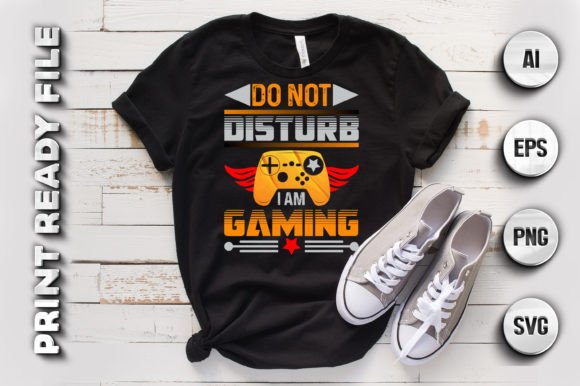
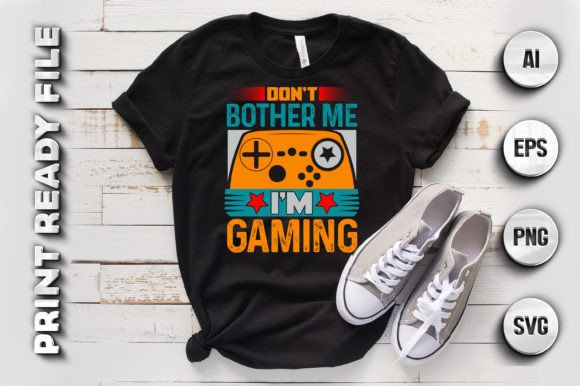
The phrase "Don't Bother Me, I'm Gaming" resonates deeply within the digital culture. It is a declaration of focus, a humorous plea for solitude, and a badge of identity for millions. Its journey from a common utterance among players to a widely recognized sentiment encapsulates the mainstreaming of gaming itself. This expression now finds its perfect visual manifestation in apparel, particularly T-shirt designs that allow individuals to wear their passion literally on their sleeve.
The Anatomy of a Modern T-shirt Design File
When acquiring a digital design like a "Don't Bother Me, I'm Gaming" graphic, understanding the technical components is crucial for practical application. These are not simple images but layered, versatile digital assets.
Core File Formats and Their Purposes
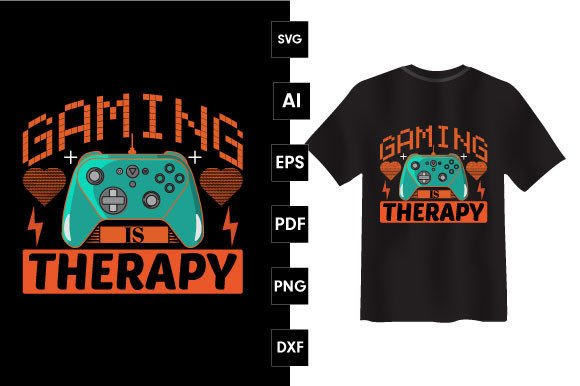
The standard package includes several key file types, each serving a distinct role in the creation and modification process.
AI (Adobe Illustrator): This is the native source file. It contains all the original vector data, layers, and editable elements. It is the master blueprint from which all other formats are derived, offering complete control for professional designers.
EPS (Encapsulated PostScript): A legacy but still widely supported vector format. EPS files are excellent for compatibility across different professional software suites, especially in printing and engraving industries where older systems might be in use.
SVG (Scalable Vector Graphic)
PNG (Portable Network Graphic): The rasterized, print-ready file with a transparent background. This is the go-to file for direct use in many applications without needing specialized software. The 300 DPI (dots per inch) resolution ensures sharp, high-quality prints even at large sizes, critical for T-shirt transfers or canvas prints. The true value of a versatile design package lies in its breadth of application. While the phrase naturally lends itself to a gaming T-shirt, the editable files empower creativity across numerous domains. Personal and Hobbyist Use: For the individual, these files enable customization. Changing the color scheme to match personal gear, altering text elements, or integrating the design into personal projects like custom controllers or laptop skins is straightforward with the vector files. The PNG file is ideal for creating quick iron-on transfers for a unique gaming hoodie or cap. Small Business and Entrepreneurial Ventures: For a startup apparel brand or a print-on-demand service, having fully editable vectors is essential. It allows for branding adaptation—perhaps adding a logo—or creating a coordinated series of products. One could produce not just T-shirts but also mugs, posters, and stickers featuring the "Don't Bother Me, I'm Gaming" motif, all from the same source files. Event and Community Creation: Tournament organizers, gaming cafes, or online communities can use these assets for promotional materials. Creating custom invitations, participant badges, or signage for a gaming marathon becomes a simple task. The scalable vectors ensure the design looks perfect on a small sticker or a large banner. Successful use hinges on a few key considerations. The "100% possible and easy change color" feature relies on using software that can edit vector paths, like Illustrator or free alternatives like Inkscape. For engraving or cutting machines (like those used for vinyl), the SVG or EPS files are typically required as they provide clean paths for the tool head to follow. When using the PNG for printing, always verify the printer's required DPI; 300 is a professional standard that prevents pixelation. The popularity of such a design is not merely aesthetic. It taps into a shared understanding. "Don't Bother Me, I'm Gaming" communicates a state of immersion. It is a lighthearted way to signal dedication, whether to a competitive ranked match, a deep narrative role-playing game, or a cooperative building session. In social contexts, wearing it can be a conversation starter, a signal of belonging, or simply an authentic expression of a hobby that commands significant time and passion. It also reflects a shift in how gaming is perceived. No longer a niche activity, it is a common social and recreational pillar. This phrase, therefore, is recognizable even to non-gamers, often eliciting a smile of understanding. The design serves as a cultural translator, making a specific community's mindset visible and approachable to the wider world. Imagine a scenario: a content creator wants to produce merchandise for their gaming-focused audience. They acquire the "Don't Bother Me, I'm Gaming" design package. The workflow might begin by opening the AI file in Illustrator. They adjust the primary color to match their channel's brand palette. They might resize certain elements to better fit a T-shirt template. Once finalized, they export a new high-resolution PNG specific to their printer's guidelines. They then upload this PNG to a print-on-demand service which handles the garment production and fulfillment. Simultaneously, they use the SVG file with a cutting machine to produce limited-edition vinyl stickers for their most engaged community members. This single purchase facilitates multiple revenue streams and community engagement tools. For an individual, the process is simpler. They might take the provided PNG directly to a local custom print shop for a single T-shirt. Or, they could use the editable EPS file to subtly modify the text for a more personalized version—"Don't Bother Me, I'm Raiding"—before converting it to a PNG for printing. Discerning the quality of a digital design file is vital. Key specifications, like being "fully editable," mean all text and graphical elements are separate, not flattened into a single image. "100 vector shapes resizable" confirms the artwork is built from mathematical points and curves, not pixels, guaranteeing lossless scaling. The mention of "300 DPI" for the PNG speaks directly to print-readiness; lower DPI files will appear blurry when enlarged. These are not promotional claims but technical assurances of functionality. Ultimately, a design like this functions as a versatile digital tool. It captures a moment of culture—the focused, immersive, and often communal experience of gaming—and packages it into a form that creators, businesses, and enthusiasts can mold and apply in countless tangible ways. It moves from a phrase uttered in a moment of concentration to a durable emblem of identity, enabled by the flexibility and quality of modern digital design assets.Unlocking Creative Potential: Practical Applications Beyond Apparel
Technical Considerations for Optimal Results
The Cultural Resonance Behind the Design
From Digital File to Physical Product: A Typical Workflow
Quality Indicators in Digital Design Assets
Navigating Common Use Cases
🔗 You Might Also Like