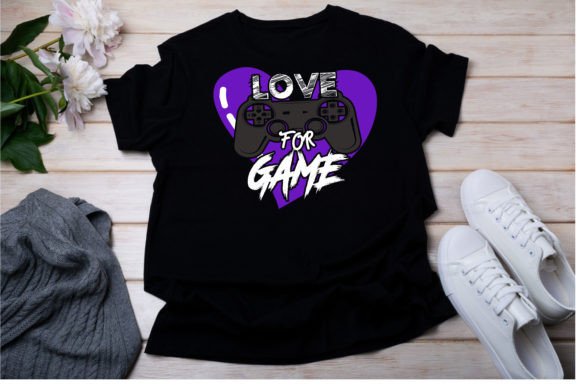
Gaming T-Shirt for Gamers: Wear Your Passion
The intersection of gaming culture and apparel has evolved into a vibrant marketplace of expression, where a simple garment becomes a statement. A Gaming T-Shirt for Gamers transcends basic clothing; it is a badge of identity, a piece of wearable art, and a functional product for creators and businesses alike. This ecosystem revolves around the designs printed on these shirts, but the true foundation lies in the digital assets used to create them. Understanding the components—from the initial concept to the final file formats delivered to customers—reveals a fascinating blend of passion, commerce, and technology.
The Anatomy of a Gaming T-Shirt Design Package
When a designer or a brand sells a gaming t-shirt design, they are not merely selling an image. They are providing a comprehensive toolkit for production and adaptation. This package typically includes a suite of file formats, each serving a distinct purpose in the journey from digital file to physical garment. The standard offering, often advertised as "What’s included: Ai file, EPS file, JPG file, SVG file, DXF file, PNG file, PDF file," is not arbitrary. It is a carefully curated set that addresses the needs of various users across the production chain.
Decoding the File Formats for Production
Each file type in a gaming t-shirt design bundle caters to a specific stage of creation or a particular user's technical requirements.
- Ai file: The Adobe Illustrator source file. This is the original, editable vector artwork. It is the gold standard for professional designers who may wish to modify colors, adjust elements, or scale the design infinitely without quality loss.
- EPS file: Another vector format, often used for compatibility across different professional software suites beyond Adobe's ecosystem. It ensures the design can be opened and manipulated in various graphic design and printing applications.
- SVG file: Scalable Vector Graphics. This web-friendly vector format is crucial for digital use, such as on websites or for further digital product creation, and is also compatible with many modern cutting and printing machines.
- DXF file: A Computer-Aided Design (CAD) format. This is specifically vital for users employing vinyl cutting machines, like for creating heat-transfer vinyl applications. It provides clean paths for cutting machines to follow accurately.
- PNG file: A raster image format with transparency support. This is excellent for direct digital use, mock-up creation, or for print-on-demand services that require a high-quality image with a transparent background.
- JPG file: A standard raster image. Useful for quick previews, sharing, or certain print processes where a simple image file is sufficient.
- PDF file: A versatile document format that can encapsulate vector and raster data. It is often used for easy viewing, sharing with clients, or as a fallback format that preserves the design’s layout and scale.
This multi-format approach ensures that whether the end-user is a hobbyist with a home vinyl cutter, a professional screen printer, or a print-on-demand service operator, they have the correct tool to proceed. It democratizes production, enabling a wide range of people to bring these gaming-centric designs to market.
Real-World Applications and User Scenarios
The utility of a comprehensive Gaming T-Shirt for Gamers design package extends far beyond the individual ganger simply wanting a cool shirt. It serves a spectrum of audiences, each with unique objectives.
For Independent Creators and Small Businesses
A hobbyist with a passion for a specific game franchise might purchase a design bundle. Using the DXF and SVG files, they could use a personal cutter to create vinyl decals and produce shirts for their local gaming community or online store. The source Ai file allows them to personalize the design—perhaps adding their channel's logo to create merchandise for their gaming stream. This empowers small-scale entrepreneurship directly tied to niche gaming interests.
For Professional Apparel Producers
Screen printing shops or large-scale merchandising companies require the EPS and Ai files. These vector formats allow for precise separation of colors, crucial for creating screens for traditional printing. The high-resolution PNGs or JPGs can be used for direct-to-garment digital printing, a method growing in popularity for its ability to handle complex, full-color designs often seen in modern gaming art.
For the Gaming Community and Event Organizers
LAN party organizers, esports tournament staff, or gaming convention planners might use these designs to produce uniform staff shirts or event-specific merchandise. Having all file formats ensures they can work with whichever local printer has the capability, streamlining the logistics of creating cohesive group apparel that celebrates the event's theme.
In each case, the bundle's flexibility reduces technical barriers. It allows the focus to remain on the core intent: celebrating gaming culture through apparel.
The Significance of Design in Gaming Culture
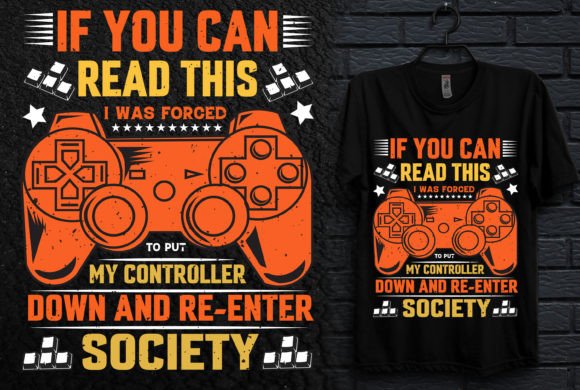
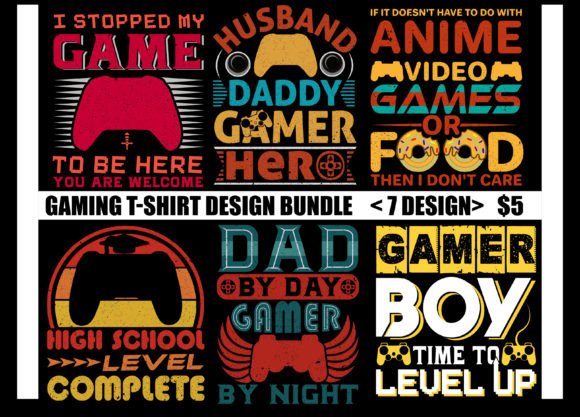
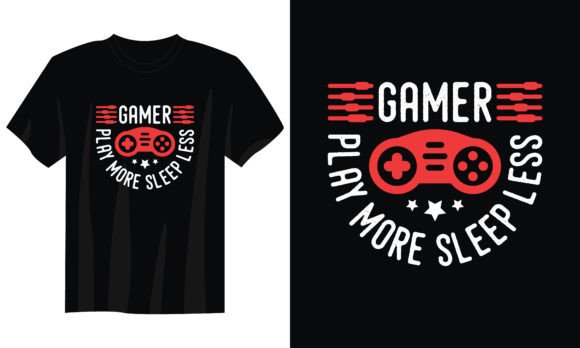
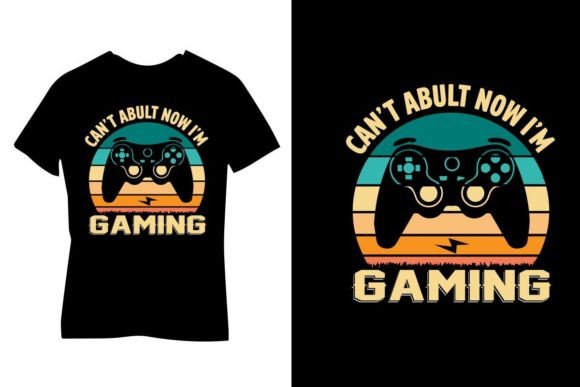
Gaming t-shirt designs for gamers are not random graphics. They are cultural artifacts. They often encapsulate iconic imagery: a legendary weapon from a fantasy RPG, a minimalist logo from a retro platformer, a clever pun related to a game mechanic, or the bold emblem of a competitive esports team. These designs function as non-verbal communication. They signal allegiance, shared experience, and insider knowledge. Wearing a shirt with a subtle reference to an obscure game mechanic creates an immediate point of connection with others who recognize it. This social dimension is a primary driver of the market's vitality.
The designs also serve as historical markers. Shirts featuring characters or logos from classic games appeal to the nostalgia market, while designs based on the latest blockbuster release tap into contemporary hype. The apparel becomes a wearable timeline of a gamer's interests and the industry's evolution.
Quality and Practical Considerations for Buyers
For those purchasing these design bundles, whether for personal use or commercial production, several factors beyond the file list are critical. The artwork's technical quality is paramount. A design must be created as a true vector from the start to ensure the Ai and EPS files are genuinely scalable and editable, not simply raster images saved in vector formats. The color separation in the design should be suitable for the intended print method—some intricate, gradient-heavy designs might be perfect for direct-to-garment but challenging for traditional screen printing.
Additionally, licensing is a fundamental consideration. Most bundles are sold for commercial use, allowing the buyer to produce and sell the shirts. However, some may have restrictions. Understanding the license ensures that creators operate within legal boundaries, protecting both the original designer and the end producer.
Trends Influencing Gaming Apparel Design
The landscape of gaming t-shirt designs is dynamic, influenced by broader trends in gaming, fashion, and technology. The rise of streamer culture has created a demand for designs that incorporate elements specific to popular content creators or their communities. Retro and minimalist design trends have led to a surge in shirts featuring clean, simple representations of old-school pixel art or iconic shapes. Conversely, the popularity of hyper-detailed concept art from AAA games fuels demand for complex, full-color designs that resemble wearable posters.
Technologically, the growth of print-on-demand services integrates directly with this market. These services often require specific file types like high-resolution PNGs with transparency. The standard design bundle caters perfectly to this model, allowing a streamer or online store to upload a design and immediately offer it to their audience without handling physical inventory.
The Ecosystem of Creation and Distribution
The process typically starts with a graphic designer, often a gamer themselves, creating original artwork inspired by gaming. They then prepare that artwork in all the requisite formats, constructing the bundle. This bundle is sold on digital marketplaces, directly to consumers, or to apparel brands. From there, it radiates outwards: used by a small business to stock their Etsy store, by a large printer to fulfill a bulk order for an esports organization, or by a fan to make a one-off shirt for a friend. Each transaction and production step reinforces the connection between digital gaming experiences and tangible, everyday expression.
Ultimately, a Gaming T-Shirt for Gamers is more than cotton and ink. It is a node in a network linking design software, printing technologies, commerce platforms, and cultural communities. The comprehensive file package—the Ai, EPS, JPG, SVG, DXF, PNG, and PDF files—is the technical backbone that makes this network accessible and operational. It enables the translation of virtual passion into a physical form, allowing gamers to wear their digital identities and allowing creators to build businesses around shared interests. In this space, the shirt is the end product, but the design files are the essential keys that unlock its potential for everyone, from the professional business owner to the enthusiastic hobbyist.