I Graduated, Can I Go Back to Gaming Now? The Unlikely Intersection of Achievement, Humor, and Digital Design
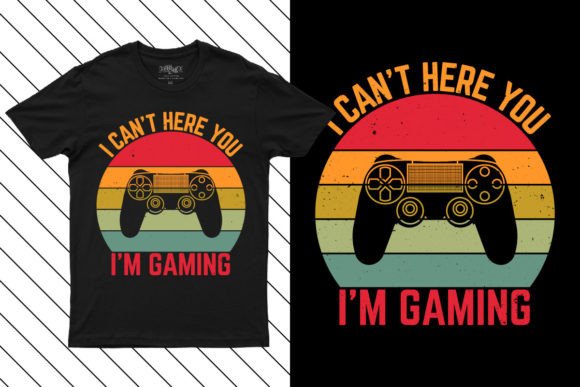
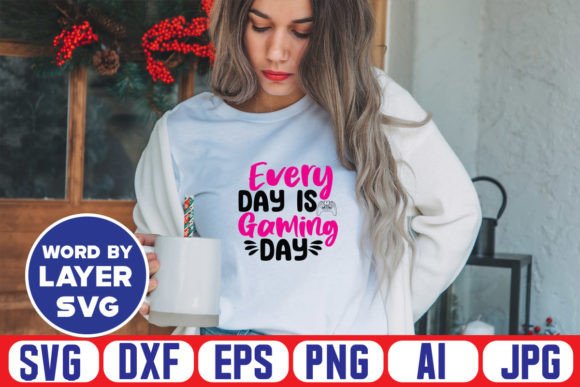
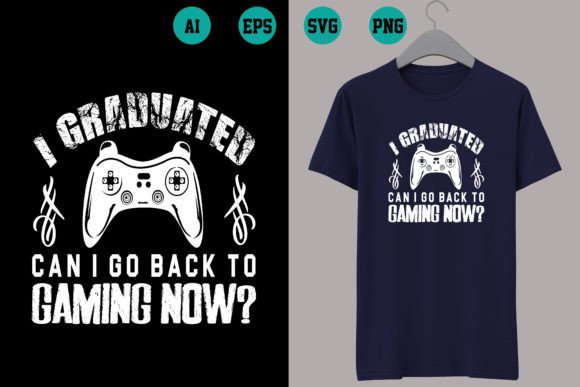
After the monumental effort of finals, ceremonies, and that final walk across the stage, a singular, often humorous, thought crosses many graduates' minds: I graduated, can I go back to gaming now? This phrase, born from the relief of completion and the longing for familiar leisure, has evolved beyond a simple internet meme. It has become a cultural touchstone, encapsulating a very modern transition period, and has found a vibrant new life in the world of digital design and personalized merchandise, particularly through the popular "Back to School" t-shirt design.
From Relieved Thought to Cultural Artifact
The sentence "I graduated, can I go back to gaming now?" is more than a joke; it's a nuanced expression of a contemporary life phase. For generations, graduation signified an immediate pivot to serious adulthood—career searches, professional attire, and a shelving of youthful pastimes. Today, the boundaries are softer. Gaming is no longer merely a childhood hobby but a legitimate form of social connection, stress relief, and even professional pursuit (esports, streaming, game development). The phrase, therefore, humorously bridges two worlds: the hard-earned formal achievement (the degree) and the persistent, personal passion (gaming). It acknowledges the accomplishment while defiantly, and lightheartedly, claiming space for personal joy in the next chapter.
This resonance makes it perfect for material expression. Wearing the sentiment on a t-shirt transforms an internal thought into a shared statement. It allows the graduate to celebrate their success with a wink, signaling to peers that they are now a "scholar of both academia and Azeroth" (or any other game world). The design acts as a badge of identity for a new generation that defines balance differently.
The Anatomy of a Modern Merchandise Design File Package
When you encounter a product listing for a design like this, you'll often see a list of file formats and capabilities that might seem technical. Understanding these is key to grasping the design's practical relevance and creative potential. A typical offering, as noted in descriptions, includes: AI, EPS, SVG, and PNG files. Let's demystify these.
- AI & EPS Files: These are the source files. AI is native to Adobe Illustrator, while EPS is a legacy but widely supported vector format. They contain the complete, editable design data—every shape, curve, and text element is modifiable. This is the "master copy" for professional designers.
- SVG File: Scalable Vector Graphic. This is a web and modern design-friendly vector format. Like AI/EPS, it is made of math, not pixels, meaning it can be resized to any dimension—from a small sticker to a large banner—without any loss of quality or sharpness.
- PNG File: Portable Network Graphic. This is a raster, or pixel-based, image. It's provided at a high resolution, ready for immediate use in digital projects or for simple printing where vector editing isn't needed. Its key feature is a transparent background, allowing easy placement on any colored material.
The listed capabilities—100 Print ready, 100 vector shapes resizable, 100 Color Changeable—directly stem from these file types. "Print ready" means the files are formatted correctly for commercial printing equipment. "Vector shapes resizable" is the power of the AI, EPS, and SVG files. "Color changeable" highlights that in the source vector files, the design elements are separated, allowing you to easily change the text color or graphic accents to suit dark t-shirts or white t-shirts, a crucial consideration in apparel design.
The Significance and Practical Relevance: Why This Matters Beyond the T-Shirt
This specific design package exemplifies a significant shift in creativity, small business, and personal expression. It represents the democratization of design tools and the blurring line between consumer and creator.
In modern life and work, digital files like these are the raw materials for a vast ecosystem of micro-enterprises and hobbyists. An entrepreneur can purchase this design package and, without needing to be a graphic artist themselves, use the files to produce a range of products to sell on Etsy, at local markets, or through social media. The AI or EPS source file allows them to tweak the design, perhaps adding a local university's name or altering the graphic style, to create a unique product line.
Fitting into Creative and Daily Activities
The listed uses are a roadmap to this ecosystem:
- Scrapbooking & Printable Decoration: The PNG file can be printed onto paper or cardstock for personal crafts.
- Cut Machines (Cricut, Silhouette): The SVG file is the gold standard for these popular home cutting machines. It can be used to cut the design from vinyl, creating custom decals for laptops, car windows, or notebooks.
- Vinyl Decals, Stickers & Clothes Printing: This speaks directly to product creation. The vector files ensure a crisp, clean result when printed on vinyl for stickers or when sent to a professional for t-shirt printing or iron-on transfer.
- Cards, Invitation Design, Canvas & Engraving: The versatility extends further. The same design could be used for a graduation party invitation, printed on a canvas as a gift, or even engraved onto a plaque or laptop sleeve.
This one design package, therefore, supports creativity across hobbies, education (school club merchandise), technology (using cutting machines), and business (starting a small online store). It turns a humorous phrase into a versatile creative asset.
Clarifying Common Misunderstandings
Several assumptions often arise when people encounter such digital design products. Let's clarify them to build a broader understanding.
Misunderstanding 1: "It's just a picture file." As explored, it's a suite of files with different purposes. The PNG is a "picture," but the vector files are more like editable blueprints. The value is in the bundle.
Misunderstanding 2: "I need expensive software to use them." While the AI file requires Adobe Illustrator, the EPS and SVG files can be opened by many free or lower-cost vector programs (like Inkscape). The PNG can be used with any basic image viewer or editor. Furthermore, many online print shops and cutting machine software can accept SVG files directly, so the end-user may not need to open the file at all.
Misunderstanding 3: "The design is fixed; I can't customize it." The description "100 Color Changeable" and the inclusion of source files directly counter this. With access to the vector source (AI/EPS), a user with some basic design knowledge can alter colors, resize individual elements, or even add new components. This flexibility is central to the product's appeal.
The Broader Context: Digital Assets in a Connected World
The "I Graduated..." design package is a microcosm of a larger trend. In our digital economy, creative assets are traded, customized, and deployed across platforms. They fuel personalization, which is a cornerstone of modern consumer expectation. Whether for expressing a unique identity (a custom t-shirt), celebrating a milestone (graduation cards), or building a brand (a sticker line for a small business), these ready-to-use, professional file sets lower the barrier to entry.
They also reflect the intersection of technology and tradition. The sentiment is human and emotional—the relief and humor of post-graduation. The delivery mechanism is entirely technological—digital files, online marketplaces, cutting machines, and print-on-demand services. This blend allows niche, community-specific ideas (like a gaming-focused graduation joke) to find a global audience and become tangible products.
Conclusion: More Than a Meme, a Creative Tool
The journey of "I graduated, can I go back to gaming now?" from a fleeting thought to a "Back to School" t-shirt design ready in AI, EPS, SVG, and PNG formats is a story about how our culture processes change. It shows how digital tools have empowered individuals to claim and commercialize the nuances of their experience. This design, and thousands like it, serves multiple purposes: it is a badge of peer identity, a catalyst for small-scale entrepreneurship, a versatile component for hobbyists, and a clear example of how modern creativity works.
For the general reader, understanding this topic reveals the infrastructure behind the custom items we see online and in our communities. It highlights that a simple, humorous phrase can hold significant weight, connecting achievement, leisure, digital technology, and creative business in a single, resizable, color-changeable vector shape. So, whether you're a graduate wanting to wear your victory with humor, a craft enthusiast looking for a new project, or an aspiring entrepreneur testing a product idea, this design ecosystem offers a practical, relevant, and engaging entry point into the world of digital creation.