The Power of Scalable Design: Mastering the Gaming Editable Text Effect Vector 3d
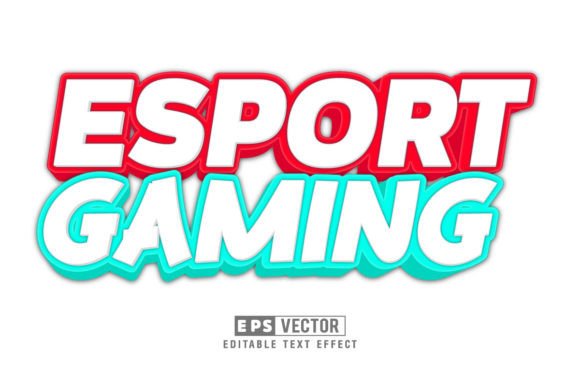
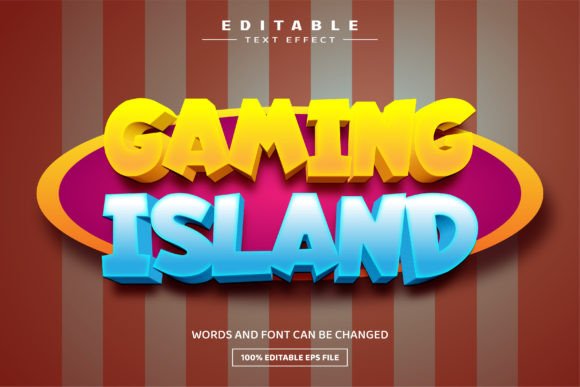
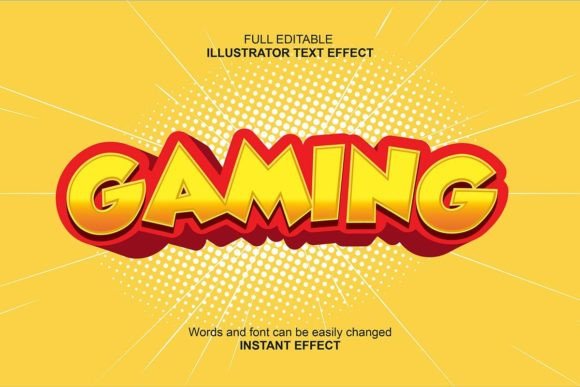
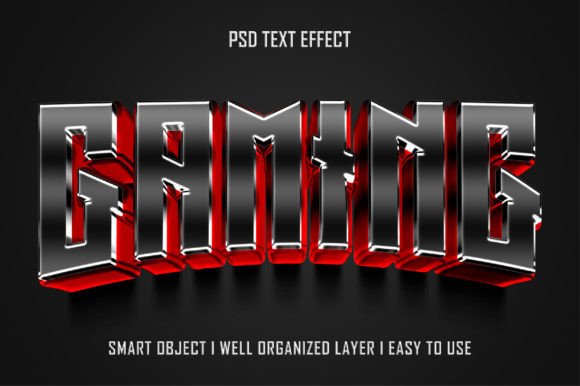
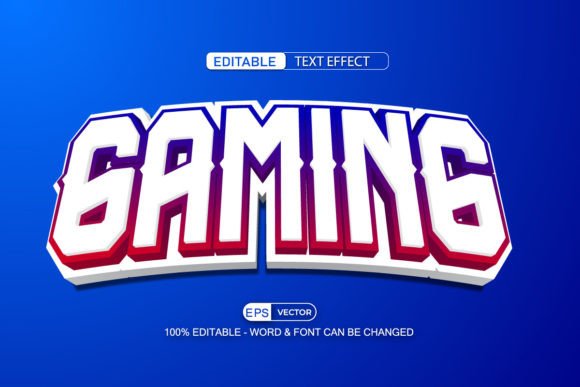
In the hyper-competitive visual landscape of gaming content, presentation is everything. Whether you're branding a new indie studio, promoting a tournament, or creating captivating thumbnails for your channel, your typography needs to pop. This is where the concept of a Gaming Editable Text Effect Vector 3d becomes a game-changer. It's not just a static image of cool text; it's a fully adaptable, professional-grade design asset built in Adobe Illustrator. The promise is compelling: a pre-made, intricate 3D text style with gaming flair where every single element—the words, fonts, colors, and size—can be altered with a simple click, saving you countless hours of complex modeling and rendering.
The Allure of Instant Professionalism and Its Hidden Pitfalls
People gravitate towards these editable vector assets for obvious reasons. The time savings are immense. Instead of struggling with extrusion, lighting, and material effects in a 3D software suite, you get a high-quality starting point. For entrepreneurs and marketers, it means consistent, polished branding across all materials without needing a dedicated graphic designer. For creators and hobbyists, it unlocks a level of visual sophistication that might otherwise be out of reach. However, the very ease of use can lead to a series of common, costly mistakes if you approach the process without a critical eye.
Overlooking the True Meaning of "Editable"
The biggest misunderstanding lies in the term "editable." Many assume that any vector file is infinitely malleable. However, the structure of the Gaming Editable Text Effect Vector 3d file dictates your freedom. A poorly constructed asset might have the 3D effect baked into a single, unbreakable shape, or its colors might be locked in complex, non-editable gradients. The advertised "easy click and edit" experience falls apart, forcing you into tedious manual deconstruction. This directly affects your efficiency and final quality, leaving you with a result that looks generic or, worse, amateurish because you couldn't properly integrate it with your unique color scheme or logo.
The corrective approach is simple but vital: Before downloading or purchasing, scrutinize the provider's description and, if possible, preview file. Look for specific phrases like "fully layered," "color groups editable," or "separate effect layers." A high-quality vector pack will detail how each component—the base text, the 3D extrusion, the highlights, the shadows—is organized on separate, labeled layers in Illustrator. This true layer separation is what empowers real customization.
The Font Fallacy: Assuming Total Typographic Freedom
Another frequent oversight is related to fonts. Many fantastic Gaming Editable Text Effect Vector 3d styles are built using specific, often premium, font families. The listing might state "font can be changed," but if the original font is not one you own or have licensed, you'll encounter a jarring substitution in Illustrator that can completely break the design's balance. The intricate 3D effect is often modeled to complement the specific weight and proportions of the original typeface. Swapping it for a default system font can distort spacing, make highlights look misplaced, and ruin the intended aggressive or futuristic gaming aesthetic.
To avoid this, always check the font information. Reputable sellers list the font used (e.g., "Bahnschrift Condensed" or "Eurostile Extended"). Before committing, verify you have access to that font or a very similar alternative. If you don't, factor in the potential cost of licensing the font itself. A better long-term strategy is to look for assets that use more common, licensed-free fonts or, ideally, where the 3D effect is designed to be more adaptable to a range of bold, sans-serif typefaces commonly used in gaming.
Choosing Wisely: What to Evaluate Before You Download
Making an informed choice requires looking beyond the flashy preview image. Here are the key practical checks to perform.
- Software Compatibility: Ensure the file is explicitly for Adobe Illustrator (.AI or .EPS) and compatible with your version. An asset made for CC 2024 might have issues in CS6. This affects usability immediately.
- Scale Intent: While vectors are infinitely scalable, some complex 3D effects include detailed texture patterns. Enlarging these to billboard size might reveal repetitive, unwanted patterns. Look for examples of the design used at various scales.
- Color Application Method: Determine if colors are applied via simple global swatches or more complex gradient meshes. The former is easy to edit universally; the latter requires advanced skill to alter cohesively.
- Supporting Elements: A premium Gaming Editable Text Effect Vector 3d Style often includes extra bonuses like matching background textures, icon sets, or application examples. These provide tremendous value, helping you integrate the text into a complete composition seamlessly.
The Integration Mistake: Using the Asset in Isolation
Even with a perfectly layered, editable file, a common creative mistake is to use the text effect as a standalone element, plopping it onto a background without consideration. This leads to a disjointed final presentation. The 3D effect has lighting and shadow directions. Placing it on a bright, flat background with conflicting light sources makes it feel fake and "pasted on." It fails to communicate the integrated, professional vibe you seek.
The constructive solution is to treat the text as part of a scene. Use the editable shadows and highlights within the vector file to guide you. If the light comes from the top-left, ensure other elements in your banner or logo follow that same lighting logic. Adjust the background color or add subtle gradients to complement the text's color palette, which you can now edit easily. This holistic approach turns a good asset into a great final design.
Beyond the Purchase: Maximizing Your Editable Vector Asset
Once you've selected a robust, well-constructed Gaming Editable Text Effect Vector 3d file, your mindset should shift from "using a template" to "collaborating with a professional tool."
Start by exploring the file structure. Open the layers panel and understand each component. Don't just change the text; experiment with editing the depth of the 3D extrusion by scaling layers, or altering the intensity of a highlight by adjusting its opacity. These assets are learning tools themselves. By deconstructing how a professional creates this effect in vector form, you build skills that will serve you in future original projects.
Finally, remember that consistency is key for branding. If you find a style that works for your gaming channel or business, use its editable nature to create a full suite of assets: logos, video intro text, social media banners, and merchandise mock-ups. The ability to change words, fonts, and size easily ensures everything feels cohesive without looking repetitious. This strategic, planned use transforms a one-time download into a long-term visual identity system, delivering satisfaction and quality far beyond the initial convenience of a click-and-edit promise.